At the RCGP, I designed and delivered a plan that highlighted workforce and workload issues in primary care as the political parties started to consider their General Election Manifestos. I designed a plan to meet media and influencing KPIs. I assessed our relationships with key political targets and was surprised to find that the chair met rarely and briefly with the primary care minister and there was no direct contact with the Secretary of State for Health or her shadow, Wes Streeting.
I created a media plan to help achieve the objectives of our influencing work and hit KPIs for media coverage. I identified unpublished data with news value from an annual survey of members and paired it with policy asks to create a four-step campaign.
First, I secured an exclusive in the Times about the impact of the cost-of-living crisis on patients and GPs, paired with case studies, which coincided with a Council meeting. This timing would serve to influence our relationship with council members, as well as other key audiences.
I created a second news item specifically with an exclusive for The Guardian in mind, about creating a national patient safety alert.
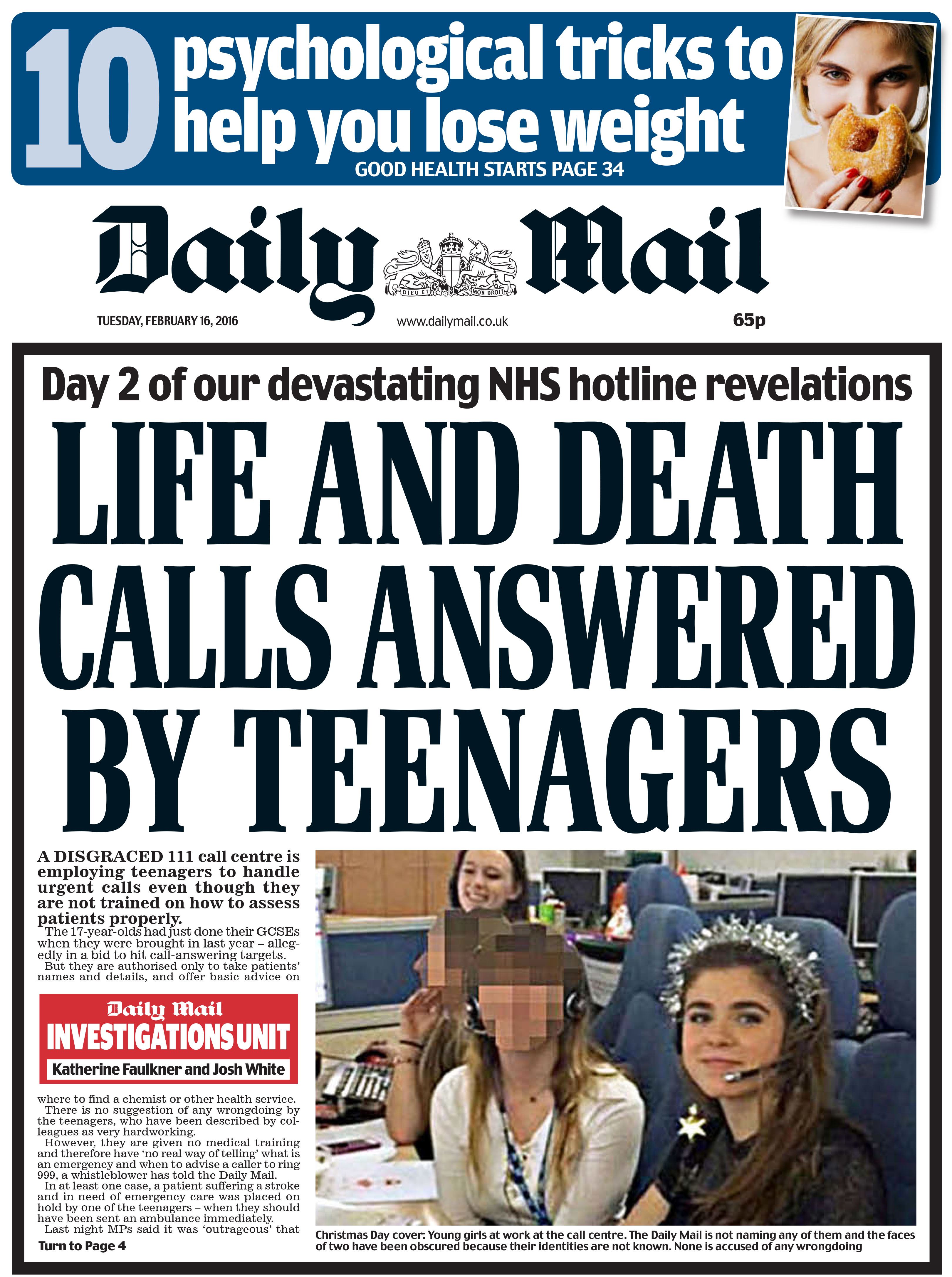
The key calendar item in my plan was our annual conference. I coproduced the chair’s speech – and designed a news story sitting within it and placed this story exclusively in The Times via its Whitehall editor.
The headline warned that ‘no political party had a credible plan for primary care yet’.
It published as intended on the first day of the conference. Then – at 4pm when all the senior team were either networking or giving presentations – I received a call from health ed Kat Lay who asked me to respond to a highly critical op ed by Wes Streeting and an associated teaser news story. I sent a team of colleagues out to the floor to collect SMT, once gathered called anyone missing and in 20 mins, crafted our response to Wes’ statement. While he was initially angry with our warning, this pushed us past the door of his policy advisor, and we were then invited to a direct meeting with him for the first time. We now know that Wes and Labour are very sensitive to critical coverage in certain titles, including the Times.
Wes went onto challenge Victoria Atkins in parliament on GP workload and workforce pressures and then pledged to give a greater share of the primary care budget to primary care in his manifesto. This is an enormous success for the RCGP who now seem to have him onside and championing their strategy and using their data.